

Anti-Lidocaine [Clone LC10-136.4]


Anti-Lidocaine [Clone LC10-136.4]
Product No.: 16601
- -
- -
Clone LC10-136.4 Target Lidocaine Formats AvailableView All Product Type Monoclonal Alternate Names xylocaine, lignocaine Isotype Mouse IgG1 Applications ELISA |
Data
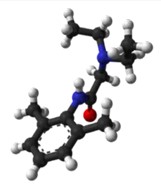 Lidocaine
 - -
- -
Antibody DetailsProduct DetailsReactive Species Lidocaine Host Species Mouse Immunogen Lidocaine-KLH. Product Concentration Lot Specific Formulation This monoclonal antibody is formulated in phosphate buffered saline (PBS) pH 7.2 - 7.4 with no carrier protein or preservatives added. State of Matter Liquid Product Preparation Antibodies are purified by a multi-step process including the use of protein A or G to assure extremely low levels of endotoxins, leachable protein A or aggregates. Storage and Handling This antibody is stable for at least one (1) year at -20°C to -70°C. Store product in appropriate aliquots to avoid multiple freeze-thaw cycles. Country of Origin USA Shipping Next Day 2-8°C Applications and Recommended Usage? Quality Tested by Leinco These antibodies have been qualified for use in ELISA to detect lidocaine. Each investigator should determine their own optimal working dilution for specific applications. See directions on lot specific datasheets, as information may periodically change. DescriptionDescriptionSpecificity Mouse Monoclonal Antibody specific to Lidocaine Background Lidocaine, also known as xylocaine and lignocaine, is a medication used to numb tissue in a specific area. The efficacy of lidocaine as a local anesthetic is characterized by a rapid onset of action and intermediate duration of efficacy. Lidocaine is also the most important class-1b antiarrhythmic drug; it is used intravenously for the treatment of ventricular arrhythmias. Lidocaine was discovered in 1946 and is on the WHO Model List of Essential Medicines. Mechanism of Action Lidocaine acts primarily by blocking voltage-gated sodium channels (NaVs) within the neuronal cell membrane. By binding to specific receptors within the pore of the sodium channel, lidocaine inhibits the influx of sodium ions required for the depolarization phase of the action potential. This blockade prevents the generation and propagation of nerve impulses, effectively halting the transmission of pain signals to the central nervous system. As a Class Ib antiarrhythmic, lidocaine works similarly on cardiac muscle cells; it blocks sodium channels during phase 0 of the cardiac action potential, which decreases the duration of the action potential and the effective refractory period, particularly in ischemic tissue. This helps to suppress automaticity and terminate re-entrant ventricular arrhythmias. Metabolism and Pharmacokinetics Following administration, lidocaine is extensively metabolized in the liver, primarily by the cytochrome P450 enzymes CYP1A2 and CYP3A4. It undergoes N-dealkylation to form the active metabolites monoethylglycinexylidide (MEGX) and glycinexylidide (GX), both of which possess pharmacological activity, though less potent than the parent compound. These metabolites are further hydrolyzed and excreted via the kidneys, with less than 10% of the parent drug appearing unchanged in the urine. Due to its significant hepatic metabolism, the clearance of lidocaine can be affected by liver function, hepatic blood flow, and drug interactions with CYP inhibitors. Toxicity and Detection While lidocaine is widely used, it possesses a narrow therapeutic index. Excessive systemic absorption can lead to Local Anesthetic Systemic Toxicity (LAST), characterized by CNS excitation (dizziness, tinnitus, seizures) followed by depression (respiratory arrest, coma) and cardiovascular collapse. Consequently, the precise detection and quantification of lidocaine levels in biological fluids are critical for Therapeutic Drug Monitoring (TDM), pharmacokinetic studies, and toxicological investigations. The Anti-Lidocaine Antibody (Clone LC10-136.4) facilitates the sensitive detection of lidocaine in various assay formats, such as ELISA, supporting research into drug safety, metabolism, and forensic analysis. Research Area Drugs References & CitationsTechnical Protocols Certificate of Analysis |
Formats Available
 Products are for research use only. Not for use in diagnostic or therapeutic procedures.
